Indoor environment
Indoor Air Quality Testing & Assessment Services (IAQ)
Exposure-focused indoor air quality assessment for complex built environments.
- Ventilation assessment
- Contaminant identification
- Occupant health risk
- Litigation support
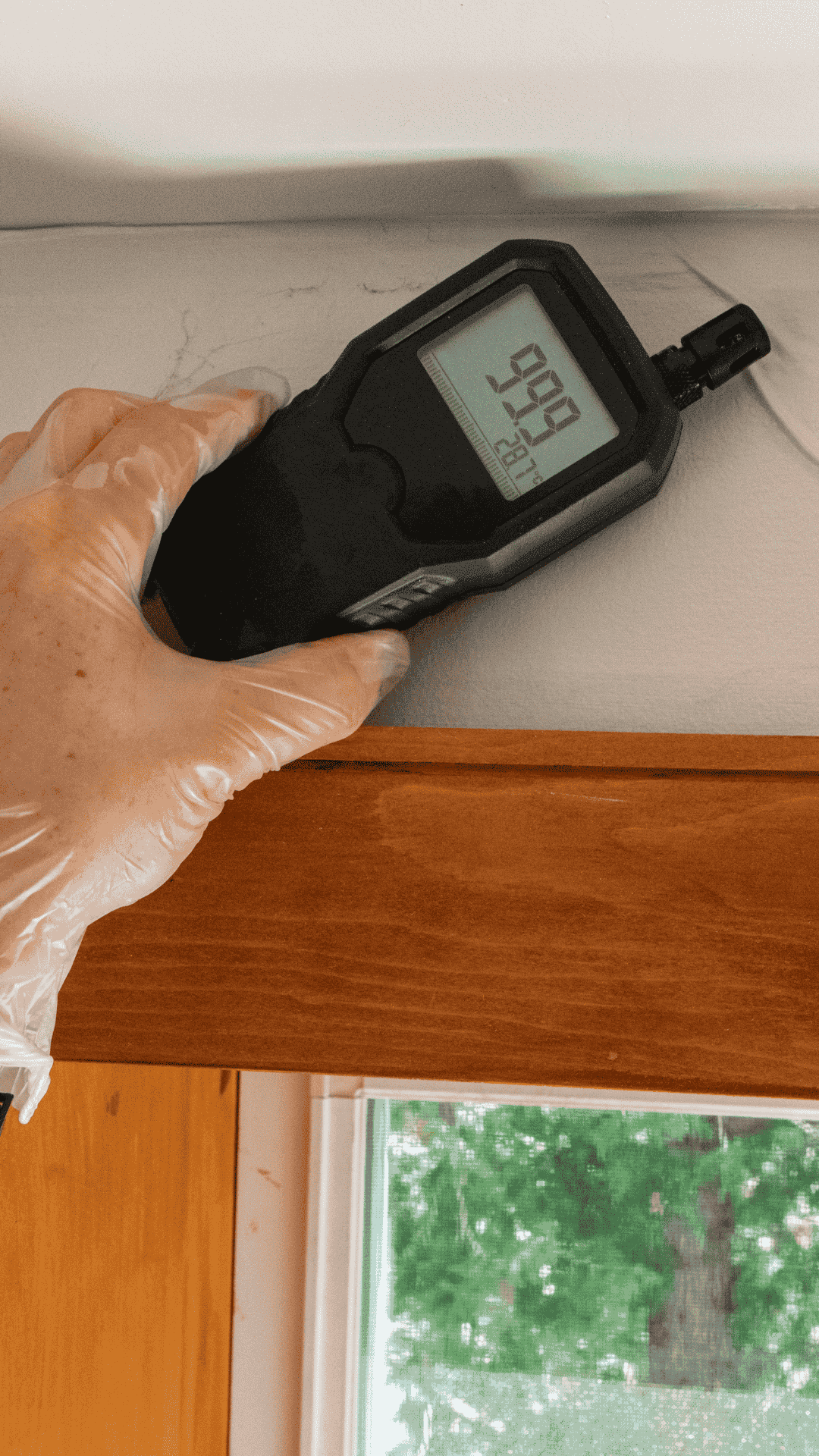
Ventilation assessment
Contaminant identification
Occupant health risk
Litigation support
Indoor Air Quality Testing & Assessment Services (IAQ) Forensic-grade evaluation of airborne hazards to supportoccupant health, regulatory compliance, and defensible decisions. Request a Consultation Understanding Indoor Air Quality (IAQ) Indoor Air Quality (IAQ) refers to the condition of the air within buildings and structures, particularly as it relates to occupant health, comfort, and safety. Poor IAQ is a well-documented contributor to respiratory illness, neurological symptoms, fatigue, and long-term health complications. In complex built environments, air quality issues are rarely caused by a single factor and often involve a combination of biological, chemical, and physical contaminants.HC3 provides forensic-grade Indoor Air Quality testing and assessment services designed to identify, quantify, and interpret airborne hazards within commercial, healthcare, industrial, and residential environments. Our approach integrates environmental health science, industrial hygiene, and toxicology to support accurate diagnosis, corrective action, and defensible decision-making. Why Indoor Air Quality Testing Matters Indoor air is influenced by building design, ventilation performance, occupant activity, maintenance practices, and environmental conditions. When IAQ is compromised, occupants may experience symptoms even when contaminant levels appear low or intermittent.Common drivers of IAQ problems include: Inadequate ventilation or air exchange Moisture intrusion and hidden microbial growth Volatile organic compounds (VOCs) from building materials or furnishings Combustion byproducts Particulate matter and dust Chemical interactions between cleaning agents or disinfectants Health Risks Associated With Poor IAQ Exposure to airborne contaminants can produce both acute and chronic health effects. Symptoms may vary based on exposure duration, concentration, and individual susceptibility.Commonly Reported IAQ-Related Symptoms Headaches, dizziness, and cognitive impairment Respiratory irritation, coughing, and shortness of breath Eye, nose, and throat irritation Fatigue and flu-like symptoms Worsening of asthma or chronic respiratory disease When IAQ Testing Is Recommended Indoor Air Quality testing is appropriate in a wide range of scenarios: Occupant health complaints or symptom clusters Suspected mold or moisture-related issues Post-remediation verification Odor complaints with unknown source Following water intrusion or flooding After renovation or construction During building commissioning or re-occupancy Regulatory, insurance, or litigation-related investigations HC3’s Forensic IAQ Assessment Methodology HC3 approaches IAQ testing as a structured investigation rather than a single sampling event. Each assessment is tailored to the building, occupancy profile, and reported concerns. 1. Preliminary Building and Occupant Review Review of building history, HVAC design, and maintenance records Interviews with facility staff and occupants when appropriate Identification of complaint patterns and exposure timing 2. Environmental Assessment and System Evaluation HVAC system inspection and airflow evaluation Moisture mapping and building envelope review Identification of potential contaminant sources 3. Targeted Air and Surface Sampling Airborne particulate analysis Microbial air sampling Surface sampling where indicated VOC screening Carbon monoxide and combustion byproduct testing 4. Data Interpretation and Root Cause Analysis Results are evaluated in context, considering building dynamics, occupancy patterns, and potential confounders. HC3 avoids isolated result interpretation in favor of system-level analysis. Types of Contaminants Evaluated in IAQ Assessments Indoor Air Quality investigations may address one or more contaminant categories: 1 Biological Contaminants Mold and fungal fragments, Bacteria, Bioaerosols, Allergens 2 Chemical Contaminants Volatile Organic Compounds (VOCs), Formaldehyde, Cleaning and disinfectant residues, Off-gassing from materials 3 Physical and Combustion-Related Factors Particulate matter (PM2.5, PM10), Carbon monoxide, Nitrogen dioxide, Ventilation performance and pressure differentials IAQ, Moisture, and Building Systems Many IAQ problems originate from moisture-related issues. HC3 evaluates the interaction between indoor air quality, humidity, temperature, and building systems to identify conditions that support microbial growth or chemical reactions.Moisture sources may include roof leaks, plumbing failures, HVAC condensation, or building envelope deficiencies. Addressing IAQ without correcting moisture drivers is ineffective. Regulatory Guidance and Industry Standards While no single regulation governs all IAQ issues, multiple frameworks guide best practices: ASHRAE ventilation and thermal comfort standards CDC and public health guidance OSHA general duty expectations Healthcare accreditation requirements State and local environmental health guidance IAQ Testing in Healthcare and Sensitive Environments Healthcare, senior living, and institutional settings demand heightened scrutiny. HC3 has extensive experience evaluating IAQ in environments where vulnerable populations reside.Key considerations include: Airflow direction and pressure relationships Infection control requirements Construction or renovation impacts Cleaning and disinfection practices Continuous occupancy exposure Why Choose HC3 for Indoor Air Quality Testing HC3’s IAQ services are led by nationally recognized experts in environmental health science, toxicology, and industrial hygiene. Our work emphasizes scientific rigor, transparency, and practical solutions.What Sets HC3 Apart Forensic, system-based investigation Experience across healthcare, industrial, and commercial sectors Integration with remediation, water, and microbial services Clear, decision-ready reporting Defensible documentation for regulatory, insurance, and legal needs Industries Served Hospitals and healthcare systems Senior living and long-term care Commercial office buildings Multi-family residential properties Industrial and manufacturing facilities Educational institutions Government and public buildings FAQ Indoor Air Quality Testing What is the difference between IAQ testing and mold testing? IAQ testing evaluates a broad range of airborne contaminants, while mold testing focuses on fungal components. Can IAQ testing identify the cause of occupant symptoms? Testing provides data to support investigation but must be interpreted alongside building conditions and exposure patterns. Is air testing always necessary? Not always. Visual inspection and system evaluation may be sufficient in some cases. How long does an IAQ assessment take? Timeframes vary based on building size and complexity. Is post-remediation IAQ testing recommended? Yes. Verification testing helps confirm corrective effectiveness. Request an Indoor Air Quality Assessment Indoor air quality issues require informed, scientific evaluation. HC3 provides comprehensive IAQ testing and assessment services to support healthy, compliant indoor environments. Request a Consultation
Indoor air quality consultation
Forensic IAQ evaluation for occupant health, ventilation performance, and compliance.
Indoor air quality FAQ
Answers on scope, compliance, and how HC3 supports your facility.
Explore more
Related HC3 services
Legionella testing
Sampling strategy, validation, outbreak response, and defensible water management programs.
Schedule a consultation
Legionella testing, indoor air quality, exposure assessment, expert witness support, and MICA Advance guidance — nationwide.